




News
When You Become the Only One Who Can Settle Them
Become the only way your baby sleeps? Learn how to gently transfer the sleep association from your arms to a comforter and sound cue — safely, no sleep training.
Why Sleep Aids Are An Important Part of Your Newborns Sleep Foundations
Why Sleep Aids Are an Important Part of Your Newborn’s Sleep Foundations
New parents hear it all. “Don’t rock your baby too much”. “Don’t let them rely on a dummy”. “Don’t give them sleep props”. But what if we flipped the script? What if those so-called “crutches” were actually the very tools that help babies learn to settle, link sleep cycles, and feel safe enough to drift off?
The Big Bestie Guide: Why a Weighted Teddy Is Your Toddler's Next Best Friend
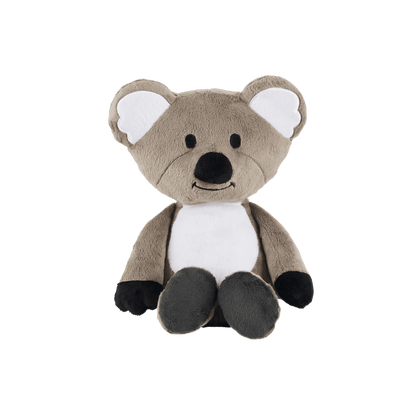
The Big Bestie Guide: Weighted Teddy for Toddlers | Riff Raff
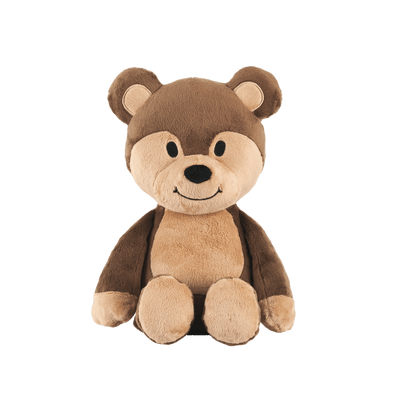
Meet the Big Bestie — a 400g weighted teddy designed to comfort toddlers and big kids. Learn the benefits, when to introduce one, and how to choose yours. Primary keyword: weighted teddy for toddlers Secondary keywords: weighted plush toy, toddler comfort toy, weighted stuffed animal, comfort companion for kids, weighted teddy Australia.
The Best Baby Gifts for Every Stage: A Thoughtful Gift Guide for Parents-to-Be, Newborns & Toddlers
Best Baby Gifts for Every Stage | Riff Raff Baby Gift Guide
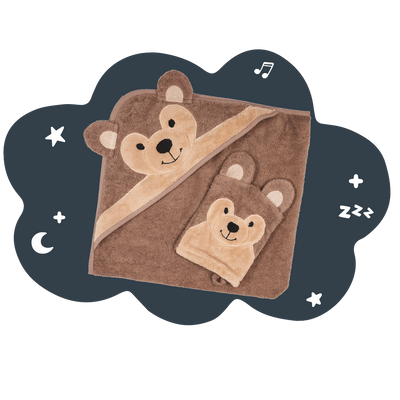
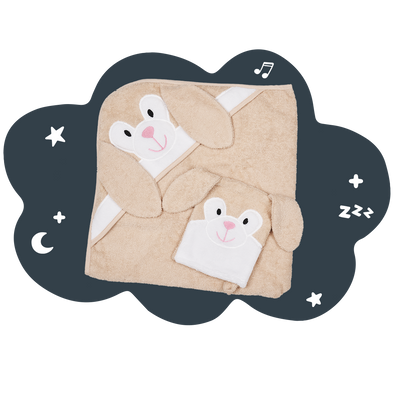
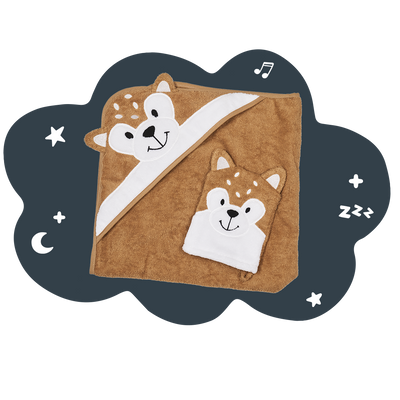
Looking for a thoughtful baby gift? From baby showers to first birthdays, our gift guide covers personalised sleep toys, weighted teddies & more. Loved by 15,000+ parents.