



















A Gentle Guide to Better Sleep by Riff Raff Baby x The Gentle Sleep Specialist
Welcome to the world of baby sleep
First things first – a warm welcome and big congratulations on your growing family. However your journey into parenthood began, we’re so glad to have you with us.
As you settle into this new chapter, you might find yourself facing one of the most talked about (and Googled) parts of early parenthood: sleep. What’s “normal”? Should they be sleeping through by now? Are we creating habits we’ll regret later?
If you’ve ever stared at your baby at 2am wondering what on earth is going on… you’re not alone.
This guide isn’t here to fix your baby. It’s here to support you - from the very beginning, through every nap transition, night waking, and new season. We’re big believers in realistic rhythms, practical tools, and empowering parents (not guilt tripping them).
So whether you're expecting your first, navigating the newborn blur, or heading into toddler territory - this guide is for you.
Start with rhythm, not rules
In the early days, the focus isn’t on strict routines. It’s about tuning into your baby’s cues, creating comforting rhythms, and building consistency they can rely on. Here’s how to begin:
Create a routine that feels like a wind down, not a checklist
Sleep time doesn’t need to be perfect or Pinterest worthy. The goal isn’t to tick off tasks - it’s to gradually help your baby feel calm, connected, and ready to rest.
Try:
- A warm bath or gentle wipe down
- Dimmed lights and soft voices
- Putting on their sleeping bag or sleepwear at the same time each night
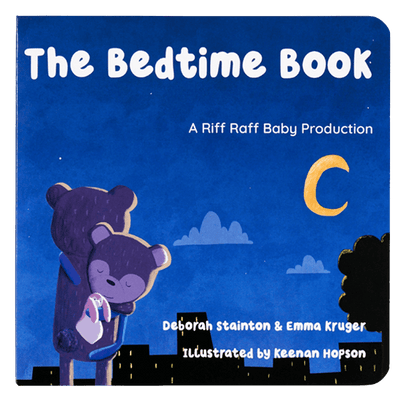
- Cuddles, lullabies, white noise or reading a short book
- A comforter or soft toy nearby as part of the ritual
Let your baby know sleep is coming - not in a sudden “lights out!” kind of way, but in a soft, familiar rhythm they begin to recognise.
As they grow: Awake times + Nap rhythms
Babies grow fast - and so do their sleep needs. What worked at six weeks might look very different at six months (and very different again by 16 months).
The good news? You don’t have to memorise every age specific wake window or obsess over nap schedules. But it is helpful to understand how your baby’s awake time and nap rhythm change as they grow.
Let’s break it down simply.
The awake time sweet spot
Your baby’s “awake window” is the amount of time they can be up between sleeps before they get overtired - or under tired.
Too short and they might not be sleepy enough. Too long and you’ll get a grizzly, wired baby who’s hard to settle.
Here’s a very general guide (every baby is different!):
|
Age |
Typical Awake Window |
|
0-3 weeks |
1 hour |
|
3-12 weeks |
1.5 hours |
|
3-6 months |
1.5-2 hours |
|
6-9 months |
2-2.5 hours |
|
9-12 months |
2.5-3 hours |
|
12-18 months |
3-3.5 hours |
|
18-24 months |
3.5-4.5 hours |
These windows stretch as they grow. But more important than the numbers? Your baby’s cues.
Watch for that quiet yawn, a little fussiness, eye rubbing, or zoning out. That’s your baby gently telling you, “I’m ready for rest.” It’s the calm before the overtired storm - and your perfect window to wind things down.
Connection is the secret sauce
Simple, calm moments help build the connection they crave most. That’s what helps their nervous system downshift and their bodies get ready for rest.
So lean into:
- Reading a quiet book together (research shows it’s never too early to start)
- Soft singing or lullabies
- Loving eye contact and physical closeness
- Consistent pre-sleep rituals like a kiss goodnight or holding a comforter together
These moments aren’t just cute - they’re how babies feel safe enough to fall asleep.
Avoid losing sleep pressure
Babies build up something called sleep pressure - that natural feeling of tiredness that helps them drift off. But if bedtime drags out too long (or there’s too much stimulation), they can push past that point and suddenly get a burst of energy.
You’ve probably seen this. One minute they’re rubbing their eyes, and suddenly they’re bright eyed again.
To keep that sleepy rhythm intact:
- Start the bedtime routine early enough that you’re not rushing
- Avoid high energy activities or screens right before bed
- Keep your tone calm and confident - babies pick up on your vibe
What if they have a short nap?
It happens. Don’t panic.
If your little one has a 20–30 minute catnap instead of a full sleep, you can shave their next awake window down by 10–15 minutes to avoid overtiredness - but some babies still need their full window regardless.
Trial and error is totally normal here.
Sleep Associations & Self-Settling (Without the pressure)
Let’s get this out of the way early: babies aren’t supposed to fall asleep on their own from day one. Sleep is a learned rhythm, not a performance. It takes time, trust, and a little support.
The goal isn’t to train your baby to sleep - it’s to help them feel safe enough to fall asleep (and back to sleep) on their own over time.
What are sleep associations?
A sleep association is anything your baby links to falling asleep.
Some are internal:
- Feeling calm and settled
- Holding a comforter
- Hearing a soft lullaby or white noise
Some are external:
- Rocking or feeding to sleep
- Needing the dummy replaced
- Being patted or bounced
None of these are “bad.” In fact, they’re often helpful - especially in the early months. But if your little one is waking frequently and struggling to get back to sleep without you, those associations might be worth gently shifting.
The middle of the night cycle
From around 4 months, babies start to experience lighter, more defined sleep cycles. They’ll naturally stir or briefly wake every 45–90 minutes - this is normal and healthy.
But if your baby always falls asleep with rocking, feeding, or bouncing, they’ll likely need that same thing to get back to sleep.
You might notice:
- Frequent night waking
- Short catnaps
- Crying as soon as you put them down
This doesn’t mean you’ve done something wrong. It just means your baby is relying on external cues - and it’s okay to gently help them find internal ones too.
So, what is self-settling?
Self settling doesn’t mean leaving your baby to cry alone or expecting them to magically soothe themselves. It means slowly helping them:
- Learn that their bed is a safe, consistent space
- Feel calm and connected before sleep
- Begin to fall asleep with a little less help over time
It’s about confidence - not control.
Start small. Keep it kind.
If you're ready to encourage more independent sleep, here’s how to begin:
- Start at the beginning of the night when sleep pressure is highest
- Create a strong wind down routine with plenty of connection
- Offer comfort, but pause before immediately “fixing” every wake
- Choose one consistent change and stick with it for a few nights
- Use a comforter or sleep cue (like white noise or a lullaby) that your baby can rely on
You can still respond, still be loving, and still support your baby while guiding change.
Comforters - more than just cute
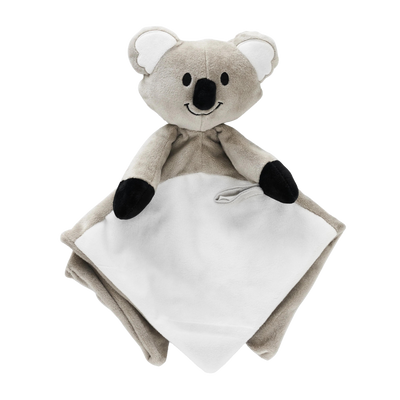
They’re soft. They’re snuggly. But a comforter like a Riff Raff Sleep Toy is more than just a bedtime buddy - it’s a powerful tool for creating emotional security and consistent sleep cues.
It’s not about replacing you. It’s about giving your little one something familiar and reassuring they can take into sleep with or without you.
Why comforters work
Babies are born needing closeness - it’s how they feel safe in the world. And while nothing replaces you, a comforter can gently step in when you’re not right beside them. It carries the scent, softness, and routine of home - offering a quiet reminder that they’re safe, loved, and never far from your care.
Comforters can:
- Help reduce separation anxiety
- Support transitions (like daycare or travel)
- Provide a sense of routine even in unfamiliar environments
- Help bridge the gap between external soothing and internal settling
And the best part? A Riff Raff isn’t something you’ll need to take away later - it grows alongside your little one, offering comfort through every stage. With its friendly face, soft snuggles, and gentle lullabies or white noise, it weaves together all the things that help babies feel safe, soothed, and deeply connected - even when you’re not right there.
How to introduce a comforter (the gentle way)
It’s not about tossing a toy into the cot and hoping for the best. Think of your Riff Raff as a sleep cue in training. Here’s how to ease them in:
- Make it part of the pre-sleep routine - Hold your Riff Raff during story time or while you zip up the sleep bag.
- Infuse it with your scent - Tuck it down your shirt for a few hours so it smells like you - this helps newborns especially.
- Use it during settling moments - Whether you’re feeding, cuddling, or rocking, keep the comforter close. Over time, your baby links it to calm and comfort.
- Keep it consistent - The more often your baby sees it at sleep time, the more powerful the cue becomes.
Note: Always follow safe sleep guidelines. For babies under 12 months, comforters should not be placed loose in the crib. If you'd like to begin introducing one, keep it nearby during the bedtime routine or securely attached outside the sleep space.
Make it fun!
Play = bonding. Try:
- Giving your Riff Raff a name and a little voice (“I’m soooo tired, can you take me to bed?”)
- Including your comforter during awake time - bring it along for nappy changes, tummy time, or a little chat during feeds
- Playing a short hide and seek game before bedtime
- Letting your toddler “tuck in” their comforter first
Sleep cues don’t need to be boring. In fact, playful repetition is often what sticks best.
When Sleep Goes Off Track: Regressions, Teething & Night Waking
Even the most consistent sleeper can suddenly throw you a curveball. One night they’re snoozing peacefully, the next it’s 2am and everyone’s wide awake (and slightly feral).
Let’s take a deep breath. These bumps are normal, expected, and temporary - even if they don’t feel that way at 3am.
What’s actually causing the disruption?
Parents often jump to teething or “a regression.” And sure, those can be part of it - but here are a few things to gently check first:
- Is your baby ready for more awake time?
- Are they dressed comfortably for sleep - too warm or too chilly can make settling tricky
- Are naps running too close to bedtime?
- Is bedtime being stretched too late?
- Has a sleep association shifted (dummy, rocking, feeding)?
- Are they overstimulated before sleep?
Sometimes it’s not a major milestone - it’s just that the rhythm needs a tiny tweak.
Regressions aren’t setbacks
They’re often signs of progress. Big leaps in development (like learning to roll, crawl, or separate from you emotionally) shake things up. It’s your baby’s brain doing big work.
Common ones:
- 4 months: Sleep cycles mature, and wake ups may become more noticeable
- 8–10 months: Crawling, babbling, and needing extra closeness
- 12–18 months: Walking, talking, and exploring boundaries
- 2 years: Big emotions, bigger imaginations, and lots of processing
They don’t mean you’ve “lost everything.” They mean your baby’s world is expanding - and with a little extra support, sleep will bounce back too.
What about teething?
We’re not saying teething doesn’t affect sleep - but it’s often not the main culprit.
True teething signs:
- Swollen gums
- Lots of drool
- Flushed cheeks
- Tugging ears or jaw
If sleep is rough but your baby is otherwise happy, it might be more about routine shifts than sore gums.
What helps when sleep is messy?
- Go back to basics: connection, sleep pressure, consistent cues
- Keep your routine predictable (but not rigid)
- Offer comfort - your baby’s not manipulating you, they’re asking for help
- Tweak awake times if needed
- Give them time to resettle (especially overnight) before rushing in
- And most of all? Trust your instincts. They’re wiser than the noise.
This season may feel long in the moment, but it won’t last forever. You’re doing such a beautiful job - even on the messy days.
Your sleep support toolkit
If it feels like you need a PhD in baby sleep just to get through the week, you’re not alone. But when you’ve got a few solid tools in your corner? Things feel a whole lot less chaotic.
This is your go to list of gentle supports - no pressure, no guilt, just what’s genuinely helpful when you need a hand.
Riff Raff Sleep Toys
A familiar, snuggly pal that helps your baby feel safe during naps, bedtime, daycare, travel - you name it.
These aren't just toys. They’re:
- Soothing sleep cues
- Emotional anchors
- Everyday companions
- Nighttime besties (with a lullaby + white noise, too)
Helpful reads from the Riff Raff Blog
Quick, calming reads when you’re searching for answers at 2am:
- How to Gently Settle Your Baby to Sleep
- When Do Babies Sleep Through the Night?
- Top Tips and How to Manage Sleep Regressions
One last thing...
If you're in a tricky patch right now, here’s your reminder: your baby is not broken, and you are not behind.
Some days are smooth. Some are stormy. But you’re the constant, the comfort, the one they trust most.
And that? That’s more than enough. You're exactly what they need.